
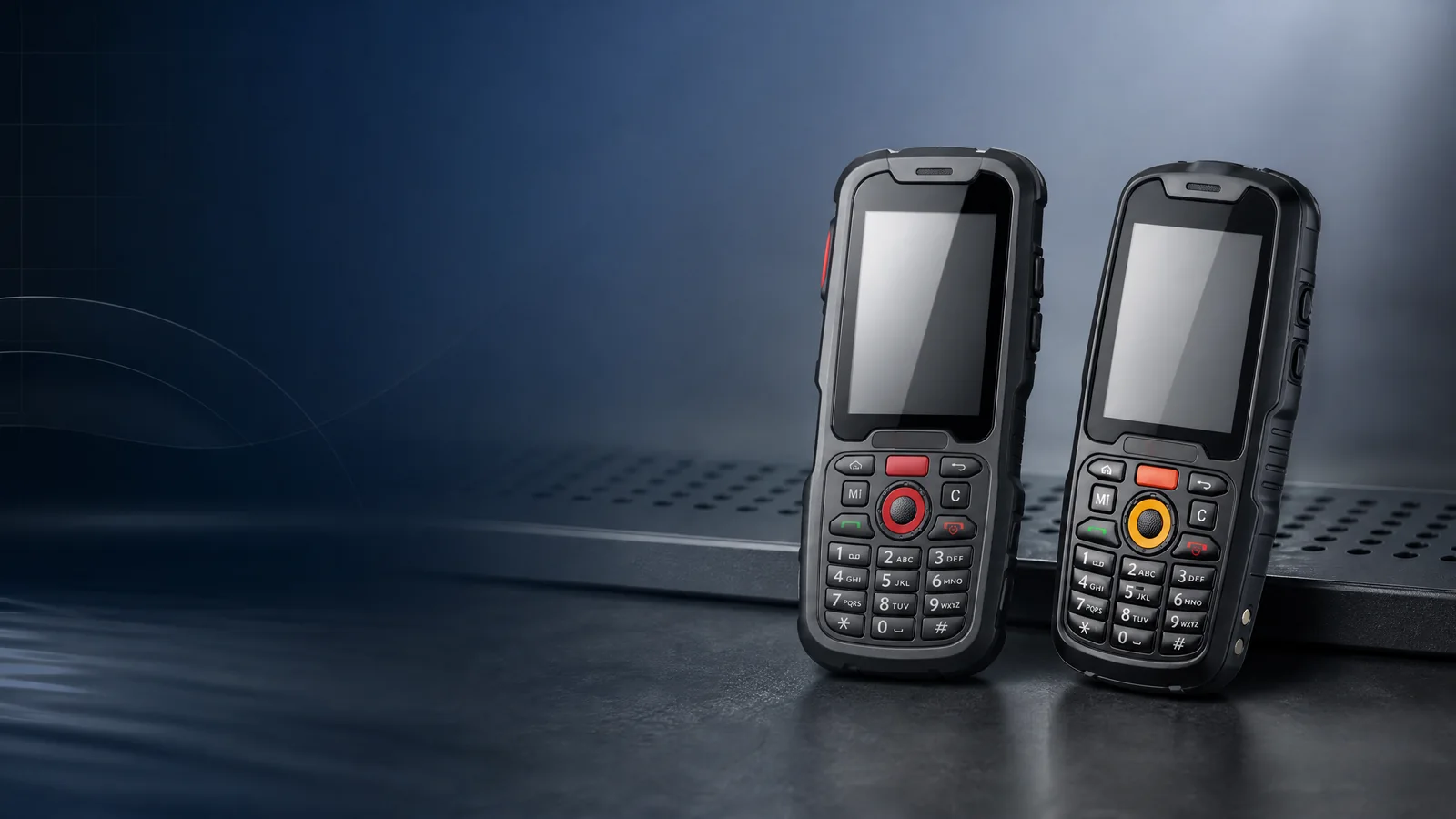
Start with the hazardous-area classification, then verify approval markings, country applicability and task needs. This guide compares the decision context for Zone 1/21 and Zone 2/22 communication devices without treating either zone as a shortcut for safety approval.
Quick answer: Confirm the hazardous-area classification before selecting a communication device. Zone 1 and Zone 21 describe gas/vapour/mist or combustible-dust atmospheres that may occur occasionally in normal operation. Zone 2 and Zone 22 describe atmospheres that are not likely in normal operation and would be brief if they occur. The site classification, exact approval marking, certificate conditions, applicable jurisdiction and intended task must all align.
Understand the zone pair
Zone 1 and Zone 2 relate to gas, vapour or mist. Zone 21 and Zone 22 relate to combustible dust. “Zone 1/21” therefore combines two separate hazard contexts, as does “Zone 2/22”; it is not a single universal zone. Never infer the applicable zone from an industry name, room label or an earlier purchase list.
| Hazard type | Occasional in normal operation | Unlikely in normal operation; brief if present |
|---|---|---|
| Gas, vapour or mist | Zone 1 | Zone 2 |
| Combustible dust cloud | Zone 21 | Zone 22 |
Read the manufacturer’s zone-classification explanation with the site’s approved hazard-area documentation.
IS120.1 and IS120.2: what the public product information states
| Selection point | i.safe MOBILE IS120.1 | i.safe MOBILE IS120.2 |
|---|---|---|
| Public positioning | Zone 1/21 mobile phone for telephony and SMS | Zone 2/22 mobile phone for telephony and SMS |
| ATEX marking listed by manufacturer | II 2G Ex ib IIC T4 Gb; II 2D Ex ib IIIC T135°C Db | II 3G Ex ic IIC T4 Gc; II 3D Ex ic IIIC T135°C Dc |
| Publicly listed approvals | ATEX, UKEX, IECEx and INMETRO | ATEX and IECEx |
| Task-related detail listed by manufacturer | Amplified loudspeaker and 4G telephony | Smart PA speaker technology, stated noise-cancelling, 4G telephony and listed GNSS support |
The manufacturer’s IS120.1 and IS120.2 product pages are starting points only. Product pages can change. Verify the certificate revision, intended use, approved accessory combination and country-specific approval at the point of procurement and deployment.
Five questions before selection
- What is the verified site classification? Obtain the current classification statement or drawing from the asset owner or competent safety function.
- Which marking and certificate apply? Match the complete device marking and certificate to the zone, hazard type and governing jurisdiction.
- What does the work task require? Only after the protection requirement is confirmed, assess communication, positioning, battery and workflow needs.
- Which accessories will be used? Charging equipment, batteries, cables and carrying systems may form part of the approved-use conditions.
- Who owns the decision record? Assign responsibility for the site classification, certificate/version evidence, selected configuration and worker instructions.
Decision guardrails
For a verified Zone 1 and/or Zone 21 requirement, investigate only an exact model and configuration whose marking and certificates support that requirement, such as the IS120.1 information set. For a verified Zone 2 and/or Zone 22 requirement, investigate an exact model and configuration whose marking and certificates support that requirement, such as the IS120.2 information set. In either case, a zone label alone is not a licence to use a device or an interchangeability rule.
Frequently asked questions
Does Zone 2/22 mean a safe area?
No. It describes an atmosphere that is not likely in normal operation and would persist only briefly if it occurs. Classification, approved configuration and local controls still apply.
Can a Zone 2/22 device be used in Zone 1/21?
Do not make that assumption. The exact device marking and certificate must match the verified classification and site requirements.
Can a Zone 1/21 device automatically replace a Zone 2/22 device?
No. Review the complete approved configuration, certificate conditions, task needs, local rules and commercial availability.
Next step
To organise product, certificate and work-task inputs before an internal review, contact Wantjoin with the verified site classification and intended use. The final decision remains with the site owner and competent safety or compliance function.
News FAQs
Zone 1/21 vs Zone 2/22: A Hazardous-Area Device Selection Guide FAQs
These answers are based on the published article and enquiry guidance on this website.
Does Zone 2/22 mean a safe area?
Can a Zone 2/22 device be used in Zone 1/21?
Why compare approval markings when basic specifications look similar?
Can a Zone 1/21 device automatically replace a Zone 2/22 device?
Related Articles
Market
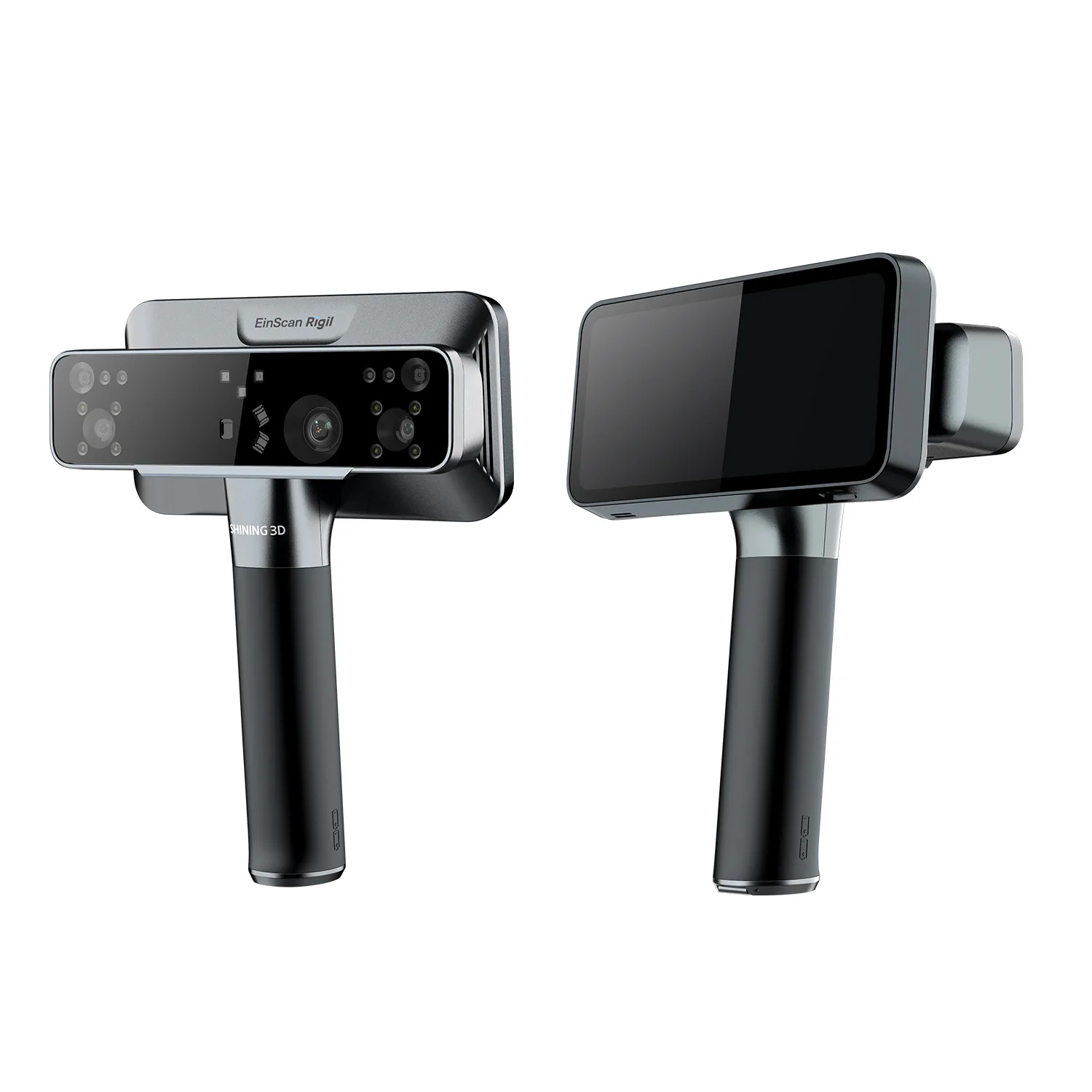
EINSTAR vs EinScan: A 3D Scanning Selection Guide for Five Asia Markets
For teams in Hong Kong, Singapore, Malaysia, Thailand and Vietnam, choose between EINSTAR and EinScan by confirming the scan subject, data workflow, operating environment, validation method and SKU-level sales, support and availability conditions—not from a series name alone.
Sep 3, 2026Read

Market
What Does Wantjoin International Investment Limited Do? Two Service Paths for Technology Brands
Wantjoin publicly presents separate E-Commerce & Distribution and IoT R&D/OEM/ODM service paths. This guide helps B2B technology teams identify the question they need to solve before defining the right discussion scope.
Sep 1, 2026Read

Market
Hong Kong to APAC Market Entry: A B2B Technology Assessment
For B2B technology and hardware brands entering APAC from Hong Kong, platform selection is not the starting point. Assess customers, channels, product information, after-sales responsibilities, localisation and resources in each market before setting the next validation step.
Sep 2, 2026Read
Recommended products
Explore industrial mobile phones after the area classification is verified
These links support further review of published product information; they are not a suitability or interchangeability conclusion. Before procurement or deployment, verify the exact marking, certificate revision, approved accessories, regional requirements and site conditions.
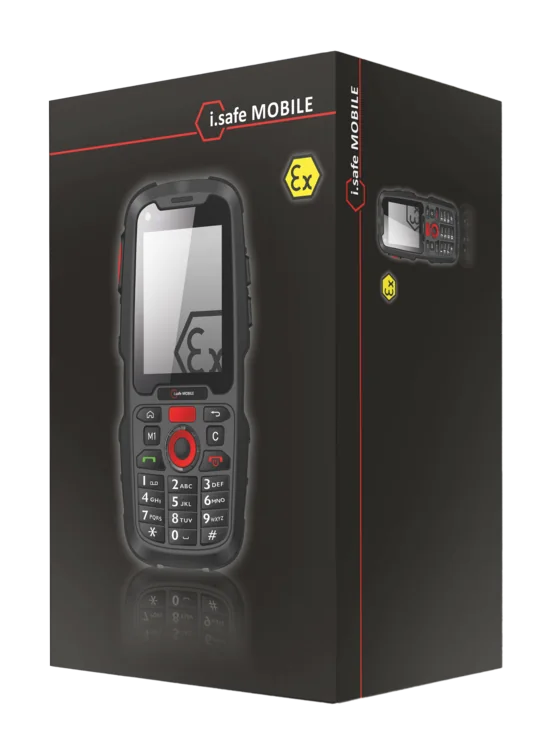
Zone 1/21
i.safe MOBILE IS120.1 — Zone 1/21 Intrinsically Safe Mobile Phone
Review the product information and confirm the intended use against the site classification and approval documentation.
View i.safe MOBILE IS120.1 — Zone 1/21 Intrinsically Safe Mobile Phone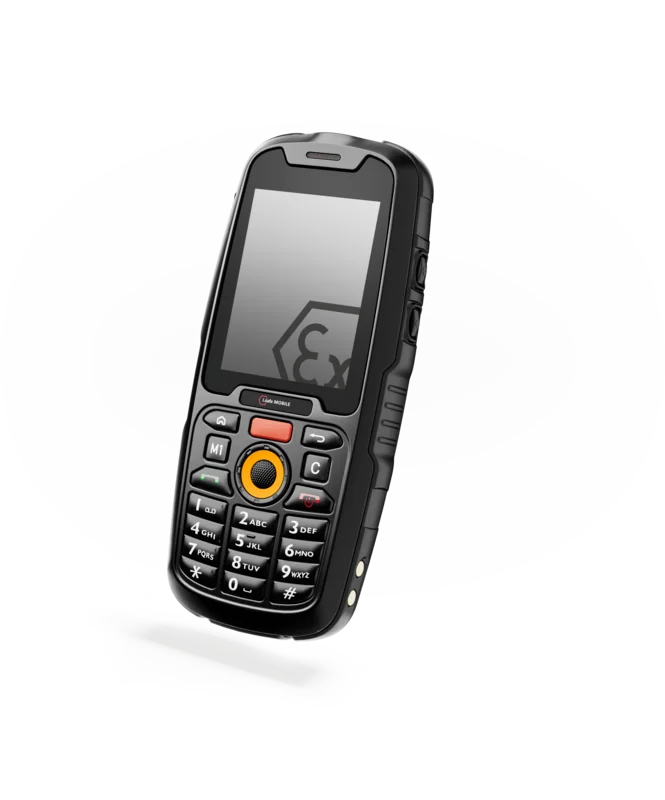
Zone 2/22
i.safe MOBILE IS120.2 — Zone 2/22 Industrial Mobile Phone
Review the product information and confirm the intended use against the site classification and approval documentation.
View i.safe MOBILE IS120.2 — Zone 2/22 Industrial Mobile Phone